Overview
Human connection in an AI world is what automation quietly erodes. This article examines what we lose as efficiency replaces human contact — from displaced jobs to the irreplaceable, nonverbal weight of real relationships — and argues that technology should make us more human, not less.
Automation is reshaping our world at breakneck speed. But what are we losing when we trade human connection for efficiency?
The moment this question really hit me was watching the rise of driverless cars.
Not as a novelty. Not as cool technology. But as a signal.
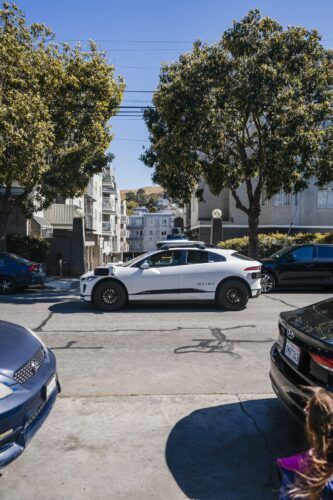
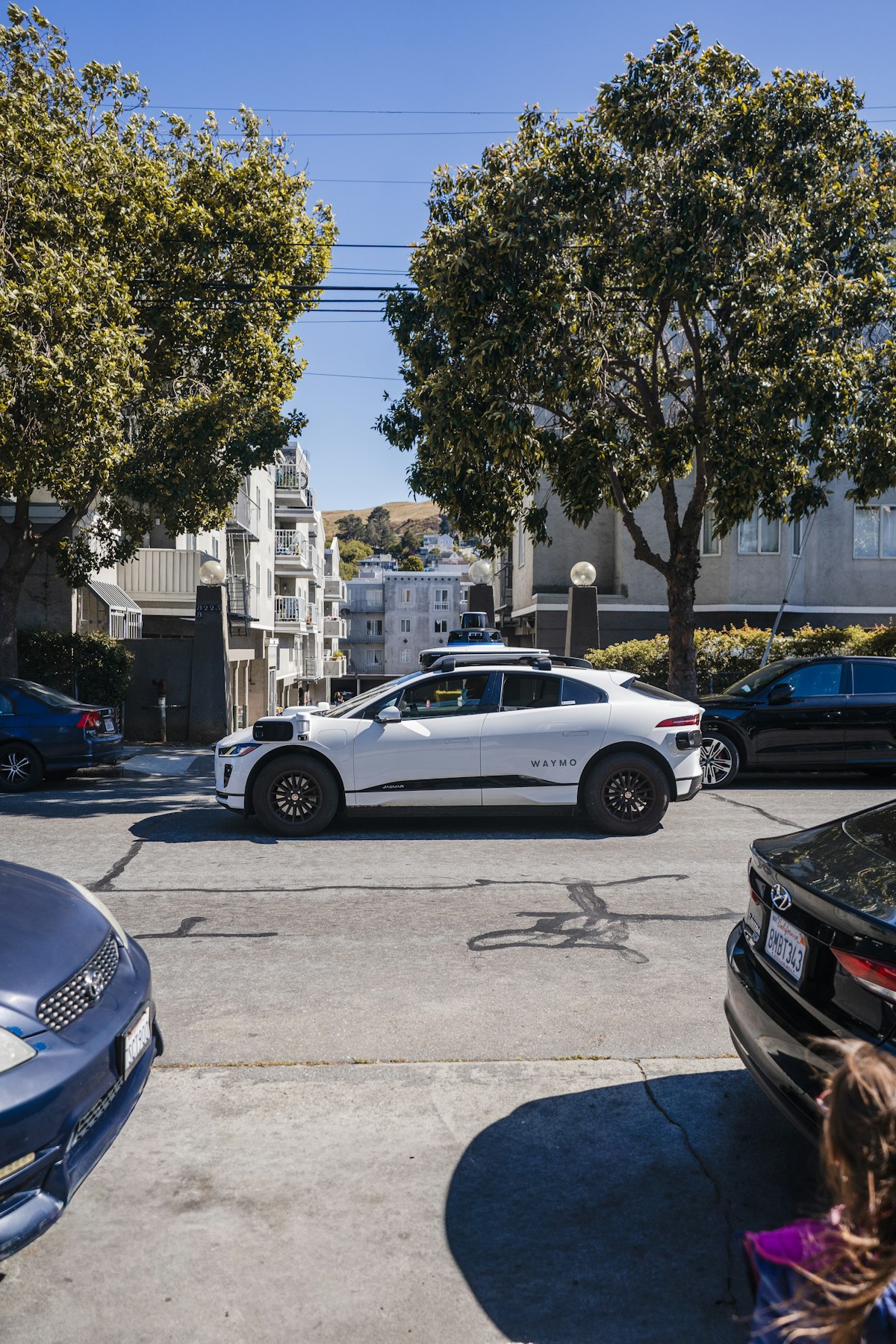
When I started seeing fleets of autonomous cars like the ones being deployed by Waymo, something about it landed differently. On the surface, it’s impressive technology. A car that drives itself. No driver required. Efficient. Clean. Seamless.
But beneath that efficiency sits a deeper question we are not asking loudly enough.
The Invisible Displacement
What happens to the thousands of human beings who used to drive those cars?
Taxi drivers. Uber drivers. People who relied on those jobs to support a household, raise children, or simply feel useful in the world.
Automation concentrates the reward into a very small group of companies and investors while removing income and purpose from thousands of individuals. It’s not just an economic shift. It’s a human shift. And we’re moving into it remarkably fast without fully considering what we’re trading away.
The Loss Isn’t Just Jobs — It’s Human Contact
When you get into a car with a human driver, even if you barely speak, there is still a subtle social interaction happening. A greeting. A moment of eye contact. A shared presence in the world.
A driverless car removes even that. Another small human interaction disappears into the quiet isolation of a screen-mediated life.
What Technology Cannot Replicate
I spend most of my days in deep conversations with people through my coaching work, and those conversations have convinced me of something that technology cannot replicate: the power of a real human relationship.
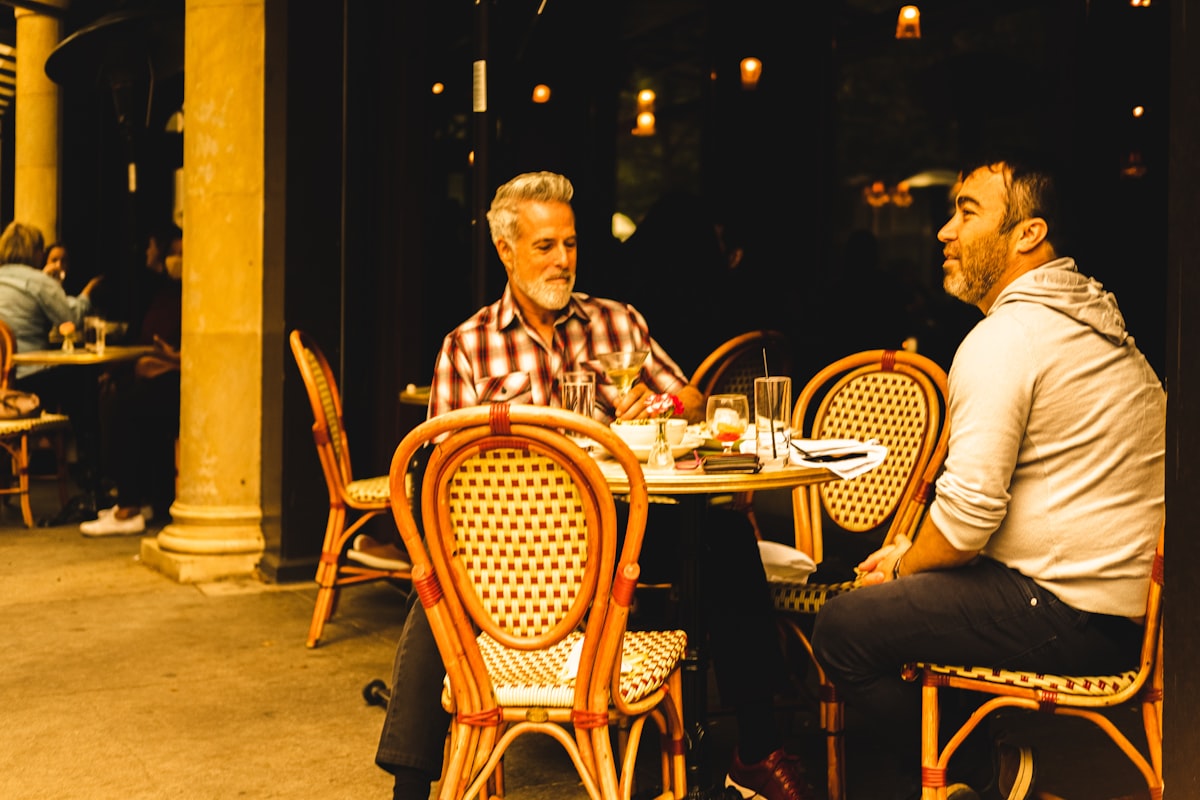
When two people sit down together in a meaningful conversation, something happens that cannot be simulated. Trust begins to build. Sometimes it happens quickly, sometimes it takes time. It grows through honesty, transparency, humor, challenge, and the willingness to be human with each other.
There are also countless nonverbal exchanges happening that most people are not consciously aware of. Posture changes. Breath patterns shift. Bodies subtly mirror each other. Research suggests that a huge percentage of communication happens nonverbally, and those signals shape how safe, seen, or understood someone feels.
An AI system cannot see your shoulders drop when you talk about your father. It cannot notice the pause before you answer a difficult question. It cannot feel the emotional weight in a room when someone finally admits the truth about something they’ve been avoiding.
Those moments change people.
The Red Line Moment
I’ve had conversations with clients where a single honest confrontation altered the direction of their life. In one case, I had to put the relationship on the line and tell someone directly that if they didn’t stop avoiding the truth and start being honest with themselves, we were done.
It was a red line moment. And it woke him up.
He had to look at the parts of his life he had been avoiding for years. That conversation led to a fundamental shift in how he lived.
A machine cannot create that moment because a machine carries no relational weight.
Why You Can Always Shut Off an AI
If an AI challenges you in a way you don’t like, you close the app and move on. There is no relational accountability there. It’s similar to social media — people will say things behind a screen that they would never say sitting across from another human being.
Real relationships carry weight. They require us to stay present when things get uncomfortable. And that discomfort is often where growth happens.
AI as a Tool, Not a Replacement
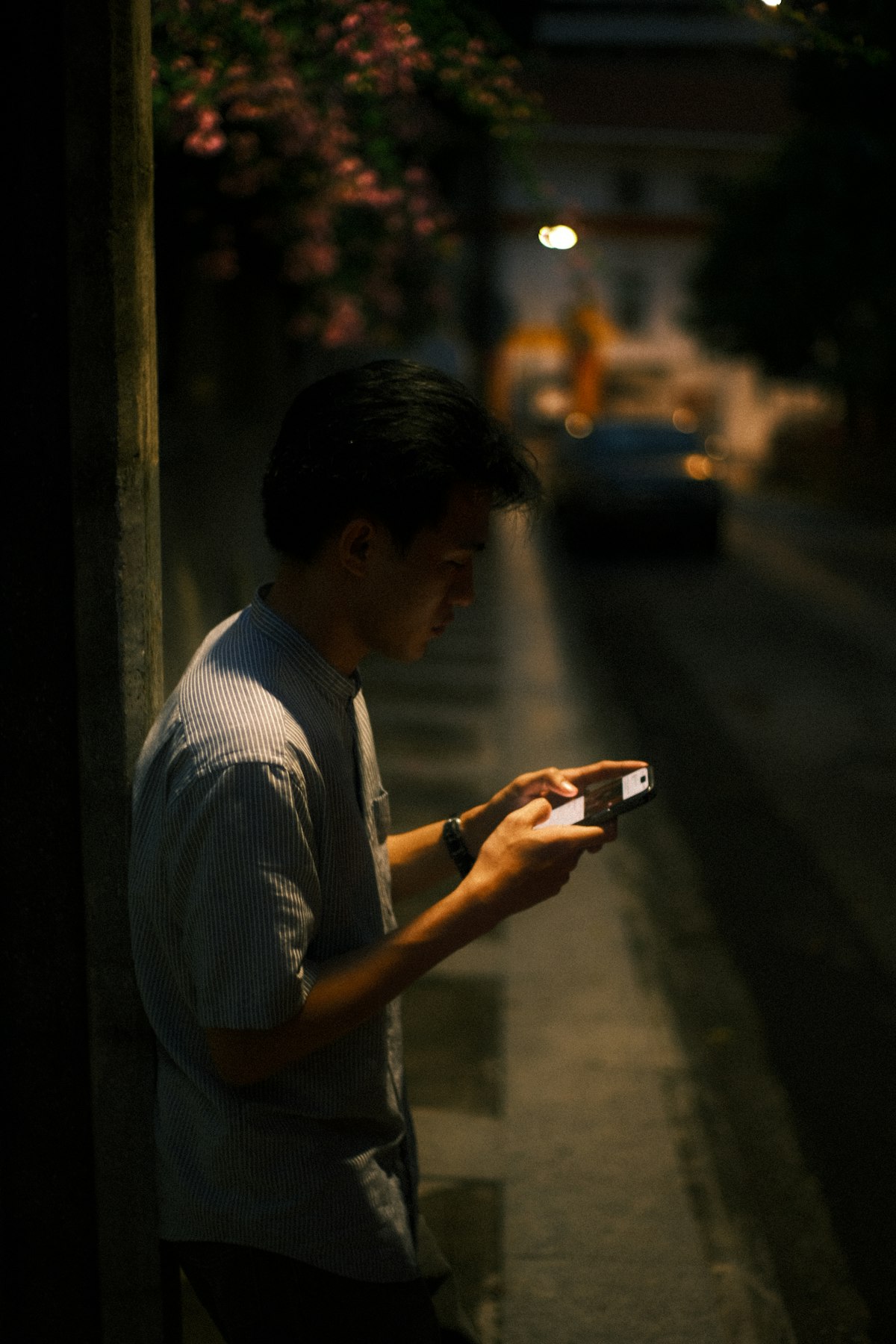
None of this means AI is inherently bad. I use it myself in my work. It’s incredibly powerful for organizing ideas, expanding perspectives, helping structure complex thoughts, and even assisting in writing or research. In many ways, it makes my work stronger.
But AI should be a tool that supports human thinking, not a replacement for it. The danger begins when we outsource too much of our thinking, reflection, and conversation to technology. When we assume the machine has the answer and stop pushing back, researching, questioning, and forming our own perspectives.
Human beings grow through relationship. Through being seen. Challenged. Reflected. Sometimes disagreed with. A healthy life is built on healthy relationships — with ourselves and with other people.
The Purpose Crisis No One Is Talking About
There is a larger cultural question that we need to start asking: What happens when millions of people lose meaningful work?
Purpose is not just a philosophical idea. It’s deeply tied to mental health. When people stop feeling useful, stop feeling needed, or stop contributing to something larger than themselves, anxiety, depression, and social instability often increase.
A world that becomes incredibly efficient but increasingly purposeless is not necessarily a stable one.

Where We Spend Our Money Matters
So the question becomes: what role do we play in shaping the future? One answer is surprisingly simple. Where we spend our money.
Consumers have enormous influence. Choosing to support small businesses, hiring teachers, coaches, therapists, artists, and creators — investing in real human services rather than defaulting to algorithmic convenience. Those decisions matter.
In my work, when someone hires a coach who uses technology intelligently but brings a real human relationship to the process, they get the best of both worlds. They get the analytical power of modern tools, combined with the empathy, challenge, reflection, and relational accountability that only another human being can offer.
Technology should make us more human, not less.
A Question to Sit With
If millions of jobs disappear over the next decade and you happened to be one of the people whose work became replaceable by AI…
What would your life look like?
What would it mean for your sense of purpose, your family, your community?
And what role do human relationships play in protecting the parts of life that technology can never replicate?